
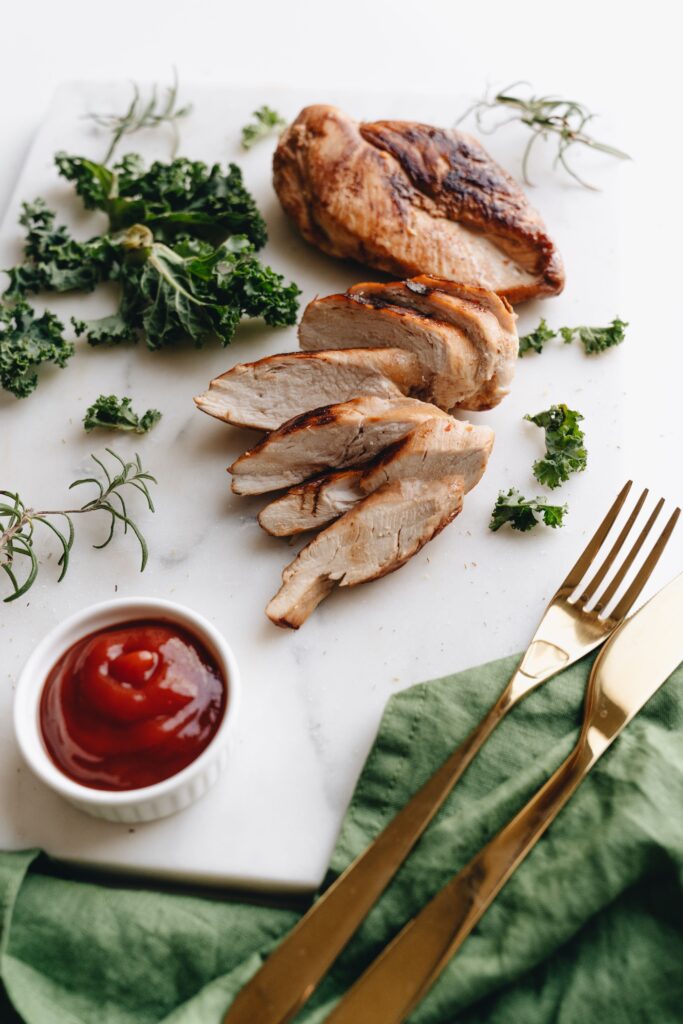
Protein is the most fundamental nutrient for human life — yet most people around the world are either not eating enough of it or eating the wrong kinds. So, what are the benefits and protein requirements by age. Everything you need to know about protein: what it does for your body at every stage of life, exactly how much you need, the best food sources across different global cuisines, and how to navigate the crowded protein supplement market without getting misled.
What is Protein and Why Does Your Body Need It?
Protein is one of three essential macronutrients alongside carbohydrates and fats. It is made up of chains of amino acids — organic compounds your body uses to build, repair, and regulate virtually every structure and process in the human body.
Your body uses protein for:
- Building and repairing muscle tissue — every workout creates microscopic tears in muscle fibres that protein repairs and rebuilds stronger
- Producing enzymes and hormones — insulin, growth hormone, thyroid hormones, and digestive enzymes are all proteins
- Supporting immune function — antibodies that defend against infection are proteins
- Transporting oxygen — haemoglobin, which carries oxygen through your blood, is a protein
- Maintaining skin, hair and nails — collagen and keratin are structural proteins that keep these tissues strong
- Controlling appetite — protein is the most satiating macronutrient, reducing hunger hormones and helping with weight management
Official Protein Requirements — What the Research Says
Key finding from research: According to a peer-reviewed study published in Food & Function (PubMed, NIH), dietary protein intake of 1.0g, 1.3g, and 1.6g per kg of body weight per day is recommended for individuals with minimal, moderate, and intense physical activity respectively. Long-term consumption of up to 2g per kg per day is considered safe for healthy adults.
Source: Wu G. Dietary protein intake and human health. Food Funct. 2016;7(3):1251-1265. Published on PubMed/NIH.
For older adults specifically: The PROT-AGE Study Group — an international research group supported by the European Union Geriatric Medicine Society — recommends that adults over 65 consume at least 1.0 to 1.2g of protein per kg of body weight per day to maintain lean body mass. For those with chronic or acute illness, this rises to 1.2 to 1.5g per kg per day.
Source: Bauer J, et al. Evidence-Based Recommendations for Optimal Dietary Protein Intake in Older People. JAMDA. 2013. Published on NIH/PMC.
The standard RDA: The US Dietary Reference Intakes — widely adopted internationally — sets the protein Recommended Dietary Allowance (RDA) for adults over 19 at 0.8g per kg of body weight per day as a minimum baseline. However, leading researchers now argue this figure is inadequate for active individuals and older adults.
Source: Dietary Reference Intakes, National Academy of Medicine. Cited in multiple NIH publications.
How Protein Affects Different Stages of Life
👶 Children (Ages 1–12)
Protein is absolutely critical for children. During the early years the body is building muscle, bone, organs, and brain tissue at a rapid pace. Every cell in a growing child’s body requires adequate protein to develop correctly.
Key benefits: Supports brain development and cognitive function, builds strong bones and muscles, strengthens the immune system, enables healthy organ development.
Signs of deficiency in children: Slow or stunted growth, frequent illness, poor concentration in school, thinning hair, swollen abdomen (in severe cases — a condition called kwashiorkor).
Best international food sources for children: Eggs, milk, yogurt, chicken, fish, lentils, beans, cheese, peanut butter on wholegrain bread.
🧑 Teenagers (Ages 13–19)
Adolescence is one of the most protein-demanding periods of life. The body is going through a rapid growth spurt, hormonal changes, and increased physical activity — all requiring substantially more protein than in childhood.
Key benefits: Supports muscle development during puberty, balances hormones, fuels sports and academic performance, builds peak bone density.
Special note for teenage girls: Iron and protein losses increase during menstruation — adequate protein intake is especially important during this time.
Common mistake: Many teenagers in developed countries get most protein from ultra-processed foods. Whole food protein sources are significantly more beneficial.
👨 Adults (Ages 20–59)
For most adults protein serves two primary functions — maintaining existing muscle mass and supporting recovery from physical activity. Without adequate protein adults begin losing muscle mass from as early as age 30, a condition called sarcopenia.
Key benefits: Maintains muscle mass and metabolism, supports healthy weight management, improves satiety and reduces cravings, aids recovery from exercise and illness.
For adults trying to lose weight: A high protein diet has been consistently shown in research to preserve muscle while burning fat — making it significantly more effective than standard calorie restriction alone.
👴 Older Adults (Ages 60+)
Protein becomes even more critical as we age. Research published on NIH/PMC found that 30% of men and 50% of women over the age of 71 consume inadequate protein — contributing directly to muscle loss, falls, fractures, and loss of independence.
Key benefits: Prevents age-related muscle loss (sarcopenia), reduces fall and fracture risk, speeds wound healing, supports immune function, maintains independence and quality of life.
Critical insight: Older adults actually need MORE protein per kg of body weight than younger adults — not less — despite eating less overall. The ESPEN (European Society for Clinical Nutrition) recommends at least 1.0–1.2g per kg per day for healthy elderly, rising to 1.5g per kg when ill.
Protein for Men vs Women
👨 Men
- Higher average muscle mass means higher baseline protein needs
- Testosterone amplifies the muscle-building response to protein
- Higher total calorie intake makes meeting protein goals easier
- Target: 1.6–2.2g per kg for active muscle building
- NIH data: average US adult male consumes approximately 97g protein per day
👩 Women
- Lower muscle mass but protein equally essential for health
- Protein supports hormonal balance and menstrual health
- During pregnancy: needs increase by approximately 25g per day extra
- During breastfeeding: needs increase by approximately 20g per day extra
- Post-menopause: higher protein intake critical to prevent accelerated muscle loss
- NIH data: average US adult female consumes approximately 69g protein per day
How Much Protein Do You Need? — Research-Backed Guidelines
| Life Stage | Daily Protein | Source / Notes |
|---|---|---|
| Children (1–3 yrs) | 13g/day | National Academy of Medicine DRI |
| Children (4–8 yrs) | 19g/day | National Academy of Medicine DRI |
| Children (9–13 yrs) | 34g/day | National Academy of Medicine DRI |
| Teenagers (14–18 yrs) | 46g (girls) / 52g (boys) per day | National Academy of Medicine DRI |
| Adults (19–59, sedentary) | 0.8g per kg body weight | WHO / National Academy of Medicine RDA |
| Adults (active / exercising) | 1.3–1.6g per kg body weight | Wu G, Food & Function, NIH 2016 |
| Athletes / intense training | 1.6–2.2g per kg body weight | International Society of Sports Nutrition |
| Pregnant women | +25g extra per day | National Academy of Medicine |
| Breastfeeding women | +20g extra per day | National Academy of Medicine |
| Older adults (60+) | 1.0–1.5g per kg body weight | PROT-AGE Study Group / ESPEN |
Protein Needs by Activity and Occupation
| Activity Level | Protein per kg | Examples |
|---|---|---|
| Sedentary (minimal movement) | 0.8g/kg | Office worker, remote worker |
| Lightly active (daily walking) | 1.0–1.2g/kg | Teacher, retail worker, nurse |
| Moderately active (gym 3x/week) | 1.3–1.6g/kg | Regular gym goer, cyclist |
| Very active (gym 5-6x/week) | 1.6–2.0g/kg | Serious fitness enthusiast, runner |
| Competitive athlete | 2.0–2.4g/kg | Professional sports person, bodybuilder |
| Manual labour | 1.2–1.6g/kg | Construction worker, farmer, warehouse worker |
Who Should Be Cautious About Protein Intake?
⚠️ These groups should consult a doctor before significantly increasing protein intake:
- People with chronic kidney disease (CKD) — Damaged kidneys struggle to filter protein waste products. High protein diets can accelerate kidney damage in people with existing CKD. Note: high protein does NOT cause kidney damage in healthy people.
- People with liver disease — The liver processes amino acids and excess protein can add strain to an already compromised liver.
- People with gout — High purine animal proteins can trigger gout flare-ups in susceptible individuals.
- People with phenylketonuria (PKU) — A rare genetic condition where the body cannot process the amino acid phenylalanine, found in protein foods.
- Infants under 12 months — Should receive protein exclusively from breast milk or infant formula. No protein supplements or cow’s milk as a primary drink.
- People on certain medications — Some medications interact with high protein diets. Always check with your doctor if on long-term medication.
Best Protein Food Sources — International Guide
Protein is found in a wide variety of foods across all global cuisines. Here is a comprehensive breakdown with pros and cons for each:
🥩 Animal-Based Sources
| Food | Protein per 100g | Popular In | Pros | Cons |
|---|---|---|---|---|
| Chicken breast | 31g | Worldwide | High protein, low fat, affordable, versatile | Can be dry; monotonous if eaten daily |
| Eggs | 13g (whole) | Worldwide | Complete protein, very affordable, extremely versatile | Yolk high in cholesterol — moderate if heart issues |
| Salmon | 25g | USA, UK, Europe, Japan | Protein + heart-healthy omega-3 fats | More expensive; mercury concerns with very frequent consumption |
| Tuna (canned) | 29g | USA, UK, Australia | Very affordable, convenient, high protein | Limit to 2-3 servings per week due to mercury |
| Greek yogurt | 10g | USA, UK, Europe, Australia | Protein + probiotics + calcium, great as snack | Some brands high in added sugar — always check label |
| Cottage cheese | 11g | USA, UK, Europe | Slow-digesting casein protein, ideal before bed | High sodium; bland taste for some |
| Beef (lean cuts) | 26g | USA, UK, Australia, Brazil | High protein + iron + B12 + zinc | High saturated fat — limit to 2-3x per week |
| Turkey breast | 29g | USA, UK, Canada | Very lean, high protein, low fat | Less available in some countries; can be dry |
🌱 Plant-Based Sources
| Food | Protein per 100g | Popular In | Pros | Cons |
|---|---|---|---|---|
| Lentils | 9g (cooked) | South Asia, Middle East, Europe | Cheap, high fibre, iron-rich, widely available globally | Incomplete protein — pair with grains for complete amino acids |
| Chickpeas | 8g (cooked) | Middle East, Mediterranean, South Asia | Versatile — hummus, curries, salads; high fibre | Can cause bloating; incomplete protein |
| Black beans | 8g (cooked) | USA, Latin America, Caribbean | Affordable, high fibre, antioxidant-rich | Incomplete protein; digestive discomfort for some |
| Tofu | 8g | East Asia, USA, UK | Complete plant protein, very versatile in cooking | Bland without seasoning; phytoestrogens in large amounts |
| Edamame | 11g (cooked) | Japan, USA, Australia | Complete protein, high fibre, great snack | Less available in some countries |
| Quinoa | 4g (cooked) | USA, UK, Australia, Latin America | Only complete plant-protein grain; gluten-free | More expensive than rice or pasta |
| Peanut butter | 25g | USA, UK, Australia, Canada | Affordable, convenient, high protein, kids love it | High calorie — easy to overeat; some brands high in sugar |
| Tempeh | 19g | Indonesia, USA, UK | Fermented — better digestion, complete protein, probiotic | Strong flavour; less available outside health stores |
Protein Powders — Complete International Guide
The global protein supplement market is worth billions of dollars and is growing rapidly. Here is an honest, unbiased breakdown of the main types and the most trusted brands internationally:
Types of Protein Powder
| Type | Source | Best For | Pros | Cons |
|---|---|---|---|---|
| Whey Concentrate | Cow’s milk | General fitness, beginners | Most affordable whey, fast absorbing, complete amino acids, widely available | Contains lactose — may cause bloating or digestive issues |
| Whey Isolate | Cow’s milk | Cutting phase, lactose sensitive, serious athletes | 90%+ protein content, very low fat and lactose, fast absorbing | More expensive than concentrate; slightly less flavourful |
| Casein | Cow’s milk | Bedtime protein, meal replacement | Slow-digesting — feeds muscles over 7-8 hours, keeps you full longer | Thick texture; more expensive; not ideal post-workout |
| Pea Protein | Yellow split peas | Vegans, lactose intolerant | Dairy-free, gut-friendly, good amino acid profile, hypoallergenic | Lower in methionine — best combined with rice protein |
| Pea + Rice Blend | Plants | Vegans wanting complete protein | Complete amino acid profile, allergen-free, highly digestible | Can be gritty in texture; taste varies by brand |
| Soy Protein | Soybeans | Vegans wanting affordable complete protein | Complete protein, affordable, widely available | Phytoestrogens — some concerns for men in large doses; common allergen |
| Mass Gainer | Whey + Carbohydrates | Underweight individuals, hard gainers | High calorie, supports weight gain, convenient | Often high in sugar; can increase fat if overused without training |
Most Trusted Protein Powder Brands — International Guide
🥛 Whey Protein Brands
| Brand | Country | Best Product | Why It’s Trusted |
|---|---|---|---|
| Optimum Nutrition (ON) | USA | Gold Standard 100% Whey | World’s best-selling whey, 24g protein per serving, third-party tested, available in 90+ countries |
| MyProtein | UK | Impact Whey Protein | Europe’s largest sports nutrition brand, excellent value, Informed Sport certified, huge flavour range |
| Dymatize | USA | ISO100 Hydrolyzed Whey | High quality isolate, fast digesting, NSF Certified for Sport, popular among athletes |
| Legion Athletics | USA | Whey+ Isolate | 100% whey isolate, no artificial sweeteners, Labdoor tested, highly transparent labelling |
| Ascent | USA | Native Fuel Whey | Native whey (less processed), no artificial ingredients, NSF Certified for Sport |
| Bulk (formerly Bulk Powders) | UK | Pure Whey Protein | Excellent value in UK/Europe, Informed Sport certified, good range of products |
🌱 Plant-Based Protein Brands
| Brand | Country | Best Product | Why It’s Trusted |
|---|---|---|---|
| Garden of Life | USA | Sport Organic Plant Protein | USDA organic certified, NSF Certified for Sport, 30g protein, complete amino acid profile |
| Vega | Canada | Sport Premium Protein | 30g protein, Informed Sport certified, widely available in USA/Canada/UK |
| Orgain | USA | Organic Plant-Based Protein | Affordable, organic, clean ingredients, pea + brown rice + chia blend |
| Huel | UK | Complete Protein | Pea + faba + hemp blend, includes 27 vitamins and minerals, low sugar, popular across Europe and USA |
| MyProtein | UK | Vegan Protein Blend | Affordable pea + brown rice blend, Informed Sport certified, available worldwide |
🌙 Casein Protein Brands
| Brand | Best Product | Why It’s Trusted |
|---|---|---|
| Optimum Nutrition | Gold Standard 100% Casein | 24g protein, 5g glutamine, best-selling casein worldwide, excellent taste |
| Dymatize | Elite Casein | 25g protein, slow release formula, NSF certified, great for overnight recovery |
| MyProtein | Micellar Casein | Affordable, 25g protein, Informed Sport certified, available across Europe |
How to Identify a Good Protein Powder — 8 Essential Checks
🚩 Red Flags — Avoid These Protein Powders
- Claims to build muscle without exercise
- Promises dramatic results in an unrealistically short time
- No clear ingredient list or uses vague “proprietary blend” language
- Sold exclusively through social media with no verifiable brand history
- No manufacturing date, expiry date, or batch number
- No regulatory registration — look for FDA (USA), EFSA (Europe), TGA (Australia), or equivalent
- No third-party testing certification
Do You Actually Need Protein Powder?
The honest answer for most people is no. Protein powder is a supplement — meaning it supplements an already adequate diet. If you are consistently eating eggs, lean meat, fish, legumes, and dairy products, you are very likely meeting your protein needs through food alone.
Protein powder is genuinely useful for:
- People who genuinely struggle to meet protein needs through food alone due to appetite, schedule, or budget
- Athletes and bodybuilders with very high protein requirements (2g+ per kg per day)
- Vegans and vegetarians who find it difficult to reach complete protein intake from plants alone
- Older adults with reduced appetite who need a convenient, easy-to-digest protein boost
- People recovering from illness or surgery with elevated protein needs
How Much Protein Do You Need?
Use our free Calorie and TDEE Calculator to find your exact daily protein target based on your weight, age, activity level and goal — completely free, no signup required.
Calculate My Protein Needs Free →The Bottom Line
Protein is not just a bodybuilder’s nutrient — it is essential for every human being at every stage of life. From a toddler developing their brain and muscles to an elderly person trying to maintain mobility and independence, protein plays a fundamental role in health.
The key takeaways from this guide:
- Most adults need at least 0.8g per kg of body weight daily — more if active
- Older adults need more protein than younger adults, not less
- Both animal and plant sources can meet your needs with the right combinations
- Protein powder can help but is not necessary for most people
- Always choose third-party certified supplements from reputable brands
Focus on variety, consistency, and whole food sources first — and your body will have everything it needs to perform, recover, and thrive.
References & Sources
- Wu G. Dietary protein intake and human health. Food Funct. 2016;7(3):1251-1265. National Institutes of Health / PubMed.
- Bauer J, et al. Evidence-Based Recommendations for Optimal Dietary Protein Intake in Older People: A Position Paper from the PROT-AGE Study Group. Journal of the American Medical Directors Association. 2013. NIH/PMC.
- Dietary Reference Intakes for Energy, Carbohydrate, Fiber, Fat, Fatty Acids, Cholesterol, Protein, and Amino Acids. National Academy of Medicine. 2005.
- Protein Intake of Adults. FSRG Dietary Data Briefs. National Center for Biotechnology Information (NCBI) / NIH.
- Groenendijk I, et al. Discussion on protein recommendations for supporting muscle and bone health in older adults. Frontiers in Nutrition. 2024. NIH/PMC.
- Morton RW, et al. Protein and Aging: Practicalities and Practice. NIH/PMC. 2025.
- Consumer Reports Investigation into heavy metals in protein powders. October 2025.
- International Society of Sports Nutrition Position Stand: Protein and Exercise. Journal of the International Society of Sports Nutrition. 2017.
📖 Related Articles
Disclaimer: This article is for informational and educational purposes only and does not constitute medical or nutritional advice. Always consult a qualified healthcare professional or registered dietitian for personalised guidance on your protein needs.